Introduction
When handling natural gas, biogas, or other industrial gases, efficiency and reliability are critical. Selecting the right compressor can significantly impact your operating costs, uptime, and system performance. While single-stage compressors are standard, a two-stage gas compressor offers significant advantages for applications that require higher pressure ratios, improved efficiency, and enhanced durability.
At Ro-Flo Compressors, we specialize in solutions designed for demanding industries like oil and gas, biogas, and energy recovery.
In this article, we’ll break down the benefits of two-stage compressors, key considerations when selecting one, and why Ro-Flo remains a trusted partner for industrial compression needs.
What Is a Two-Stage Gas Compressor?
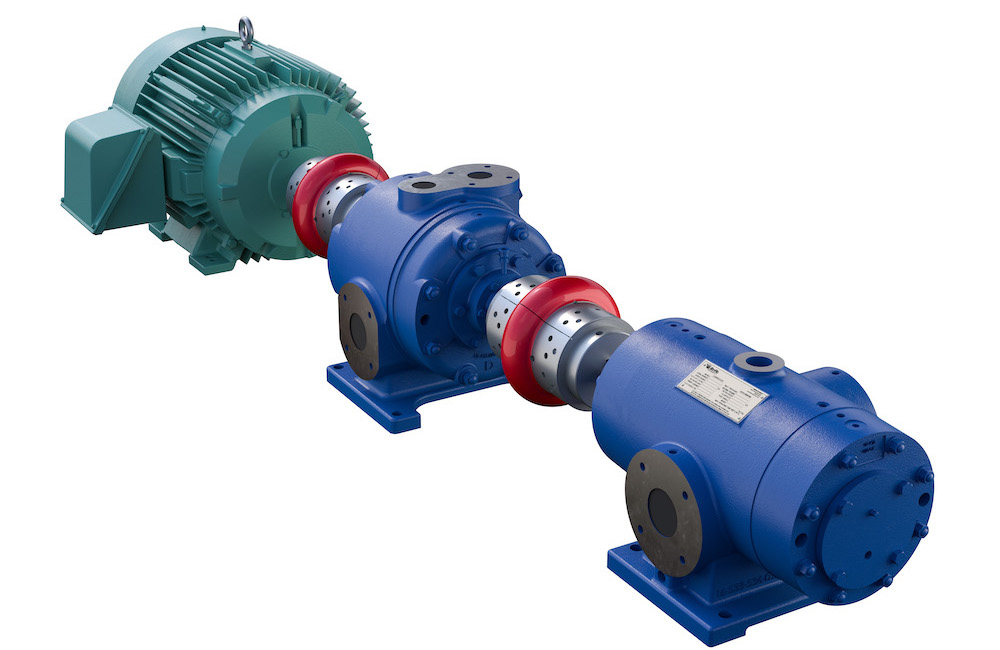
A two-stage gas compressor compresses gas in two steps (stages) rather than a single stage. This staged compression allows the unit to:
- Manage higher pressure ratios more efficiently.
- Reduce heat buildup during compression.
- Improve performance and extend equipment life.
How it works:
- Gas enters the first stage, where it is partially compressed.
- It is then cooled (intercooled) before entering the second stage.
- The second stage completes the compression to the desired pressure.
Key Advantages of Two-Stage Gas Compressors
1. Higher Efficiency
- Less energy consumption per unit of gas compressed compared to single-stage units.
- Cooling between stages reduces wasted energy and helps maintain performance.
2. Better Handling of High Pressure
- Suitable for applications requiring significant pressure increases.
- Reduces strain on components, leading to longer equipment life.
3. Lower Operating Costs
- Improved efficiency means lower energy bills.
- Reduced wear leads to fewer repairs and maintenance expenses.
4. Longer Equipment Life
- Staged compression helps avoid extreme operating conditions.
- Extends service intervals and reduces downtime.
5. Greater Reliability in Harsh Environments
- Proven performance in demanding industries, including:
- Oil & gas production
- Biogas and renewable energy
- Industrial gas recovery
Two-Stage vs. Single-Stage Compressors (Comparison Table)
| Feature | Single-Stage Compressor | Two-Stage Compressor |
|---|---|---|
| Compression Steps | 1 | 2 |
| Efficiency at High Pressure | Moderate | High |
| Heat Management | Limited | Improved (with intercooling) |
| Equipment Life | Shorter | Longer |
| Best Use Case | Low to medium pressure | High pressure, industrial use |
When Should You Choose a Two-Stage Gas Compressor?
Consider a two-stage system if your operation involves:
- High-pressure requirements beyond single-stage capabilities
- Continuous operation where efficiency saves long-term costs
- Harsh environments where durability is essential
- Applications in oil, gas, or biogas industries
Explore Ro-Flo’s product lineup to find compressors built for these demanding conditions.
FAQs About Two-Stage Gas Compressors
Are two-stage compressors more expensive than single-stage units?
Yes, upfront costs can be higher, but the long-term energy savings and reduced maintenance often outweigh the initial investment.
Can I replace a single-stage compressor with a two-stage model?
In many cases, yes. However, you should evaluate your system’s pressure requirements and space constraints. Contact Ro-Flo for expert guidance.
Do two-stage compressors require special maintenance?
They require standard compressor maintenance, but often less frequent major repairs due to reduced wear compared to single-stage compressors.
Key Takeaways
- Two-stage compressors excel in efficiency, pressure handling, and durability.
- They reduce operating costs over time and are ideal for demanding industries.
- Ro-Flo offers reliable solutions designed for harsh, high-pressure environments.
Next Steps
If your operation requires a compressor that can handle high-pressure applications efficiently, a two-stage gas compressor may be the right choice. Reach out to our team for expert recommendations.
Want to learn more?
The overall design and materials used to build a Ro-Flo compressor make it one of the most reliable compressors ever built. Give us a call to discuss how we can meet your needs.