
Introduction
Across today’s oil and gas industry, vapor recovery units (VRUs) have become essential to environmental compliance, operational efficiency, and long-term profitability. As regulations tighten and field conditions grow more complex, producers are rethinking how vapor recovery is designed, operated, and optimized.
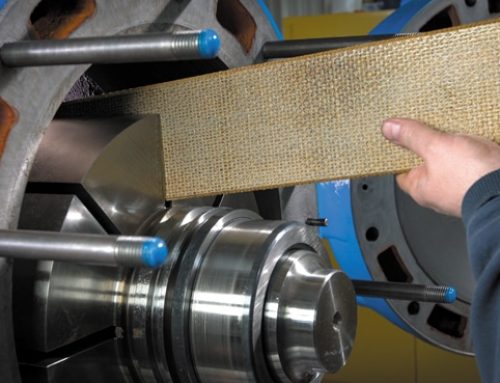
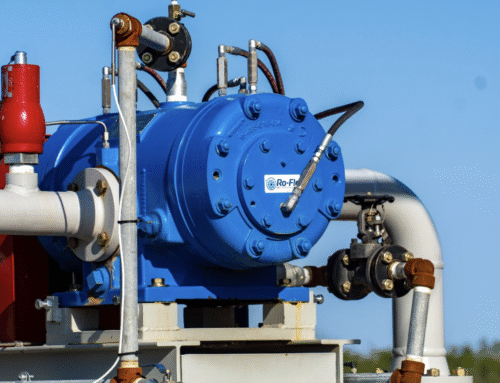
At Ro-Flo Compressors, we’ve spent decades engineering low-speed sliding vane compressors built for the most demanding gas streams—wet, sour, or corrosive. Our technology continues to evolve alongside the industry’s needs.
In this article, we break down the five leading trends shaping vapor recovery and what they mean for operators seeking reliable, cost-effective compression solutions.
1. Tightening Emissions Regulations and Rising ESG Expectations
Across North America and beyond, regulators are strengthening methane- and VOC-emission standards. From new EPA methane-reduction rules to regional carbon-credit programs, compliance now carries both financial and reputational stakes.
VRUs play a central role in helping operators meet these requirements by capturing vapors that would otherwise be vented or flared. Each cubic foot of recovered gas reduces greenhouse impact and improves sustainability metrics.
Key Takeaway: Compliance isn’t just about avoiding fines—it’s an opportunity to demonstrate leadership in responsible operations.
2. Smarter System Design and Flexible Compression
Vapor streams fluctuate. Pressures, flow rates, and gas compositions can vary hour-to-hour, challenging traditional system designs. Successful recovery systems now rely on adaptive control technology, variable-speed drives, and properly sized compressors that can handle wet and sour gases without performance loss.
Ro-Flo Advantage: Our sliding-vane compressors deliver wide turndown capability and consistent performance across changing loads.
Key Takeaway: Smart system design—supported by robust, low-speed compressors—ensures uptime, safety, and long-term efficiency.
3. The Economics of Recovery Are Stronger Than Ever
Recovered vapors aren’t waste—they’re value. When captured and compressed properly, they can be reused as on-site fuel or sold through existing gas infrastructure. Rising gas prices and carbon-credit incentives continue to make VRUs financially attractive.
Ro-Flo Advantage: Low-speed operation reduces horsepower requirements and energy consumption compared to other compressor types, helping operators improve ROI while achieving environmental goals.
Key Takeaway: Optimized vapor recovery can quickly shift from a regulatory expense to a profit-centered investment.
4. Digitalization and Predictive Maintenance
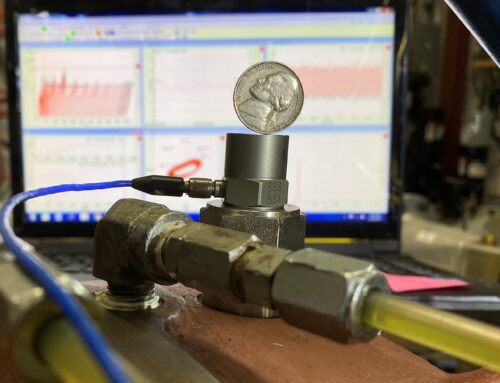
Data-driven operations are redefining reliability. New VRU systems increasingly integrate sensors and remote monitoring to provide real-time insight into compressor performance, process upsets, and maintenance indicators.
Predictive diagnostics help prevent unplanned downtime, reduce maintenance costs, and verify compliance reporting.
Key Takeaway: Integrating digital monitoring ensures consistent performance and supports data transparency for ESG reporting.
5. Handling the Toughest Gas Streams
From saturated CO2 vapors to high H2S gas, today’s applications demand compressors that perform in corrosive, wet, and variable conditions. Material selection, direct oil-injection systems, and slow-speed mechanics all play crucial roles in ensuring longevity.
Ro-Flo Advantage: Our compressors are engineered for extreme service – the NACE MR0175-2015 compliant internals are capable of handling gases with over 80 percent H₂S while maintaining long blade life and minimal downtime.
Key Takeaway: Field-proven durability is essential where uptime and safety are non-negotiable.
When to Optimize Your Vapor Recovery System
Consider upgrading or expanding your VRU program if your operations involve:
- Sour or acid gas streams requiring corrosion-resistant compression
- Flare or tank vapor recovery to meet emissions targets
- Wellhead pressure reduction or gas boosting for increased production
- Midstream applications involving FPSO or vessel unloading
FAQs About Vapor Recovery and VRU Compressors
Q1: What gases can Ro-Flo compressors handle?
Ro-Flo units are engineered for sour, wet, and corrosive gas streams, including those exceeding 80 percent H₂S.
Q2: How do VRUs help reduce emissions?
By capturing vapors from tanks and flares before they’re released, VRUs reduce methane and VOC output and allow recovered gas to be reused or sold.
Q3: Are VRUs cost-effective for smaller operations?
Yes. Energy-efficient, low-speed compressors and reduced maintenance requirements make vapor recovery viable across upstream and midstream facilities.
Key Takeaways
- Stricter regulations and ESG goals are accelerating adoption of vapor recovery systems.
- Smart, flexible compression technology maximizes uptime and return on investment.
- Ro-Flo’s sliding-vane compressors provide reliable performance in the harshest gas environments.
Ready to Optimize Your Vapor Recovery System?
Contact Ro-Flo Compressors to discuss your application, request a quote, or learn how our sliding-vane technology can improve efficiency and reduce emissions.