
Introduction
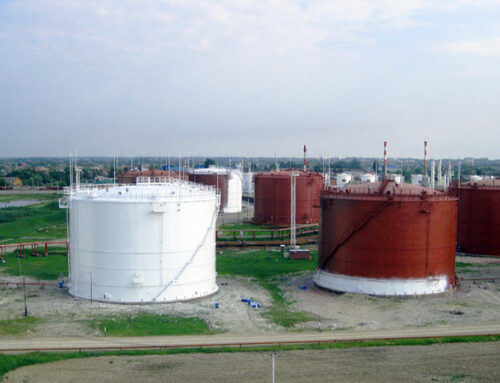
In the oil and gas industry, effective vapor recovery is essential for minimizing environmental impact, ensuring regulatory compliance, and maximizing operational profitability. Vapor recovery units (VRUs) capture volatile organic compounds (VOCs), methane, and other gases from storage tanks, flares, and wellheads that would otherwise be vented or flared, contributing to emissions. Optimizing this process can significantly reduce greenhouse gas emissions while turning potential waste into valuable resources.
At Ro-Flo Compressors, we specialize in low-speed sliding vane compressors designed for the toughest gas streams, including sour and acid gases common in oil and gas operations. Our solutions enhance efficiency in upstream (e.g., wellhead and gas gathering) and midstream (e.g., processing and transportation) processes.
In this article, we’ll break down the benefits of optimizing vapor recovery, how Ro-Flo’s compressors excel in handling challenging gases, key considerations when implementing VRUs, and why Ro-Flo remains a trusted partner for oil and gas compression needs.
What Is Vapor Recovery in Oil & Gas Operations?
Vapor recovery refers to the process of capturing and compressing low-pressure gas vapors from sources like storage tanks, loading facilities, flares, and well casings to prevent their release into the atmosphere. This not only reduces emissions but also allows the recovered gas to be reused as fuel, reinjected, or sold, improving overall efficiency.
A vapor recovery unit (VRU) typically includes a compressor that:
- Manages low-pressure, wet, or corrosive gas streams effectively.
● Handles variable gas compositions, including high levels of H2S or CO2.
● Ensures reliable operation in remote or harsh environments.
How it works:
- Vapors are drawn from sources such as tanks or flares at low pressure.
- They are compressed, often with cooling to manage heat and condensation.
- The processed gas is directed to pipelines, fuel systems, or storage for reuse.
Key Advantages of Ro-Flo Compressors for Optimizing Vapor Recovery
- Superior Handling of Sour and Acid Gases
● Direct oil injection and robust design enable compression of gases with over 80% H2S without failure.
● Proven in sour gas VRUs, reducing corrosion risks and maintaining performance in acid gas environments.
- Significant Emissions Reduction
● Recovers flare gas that would otherwise be burned, cutting methane and VOC emissions while complying with regulations.
● Captures casing gas from wellheads, preventing venting and turning waste into usable fuel gas.
- Enhanced Operational Efficiency
● Low-speed sliding vane technology requires less horsepower than alternatives like liquid ring compressors, lowering energy costs.
● Boosts upstream production by reducing well casing pressure, increasing oil recovery from depleted wells.
- Increased Reliability and Durability
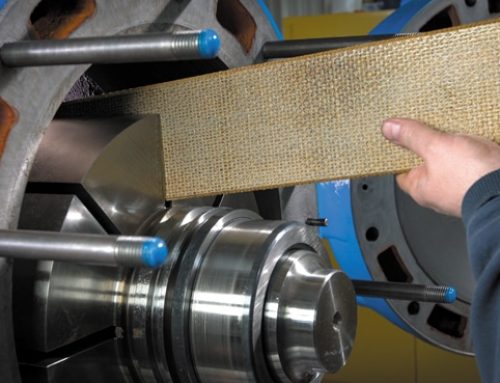
● Average blade life of two years, with easy on-site replacement in hours, minimizing downtime.
● Suitable for midstream applications like FPSO and vessel unloading, handling high molecular weight gases.
Cost Savings and Revenue Generation
● Lower maintenance and energy expenses compared to other compressor types.
● Generates additional revenue by recovering and selling previously flared or vented gases.
| Feature | Other Compressors (e.g., Liquid Ring) | Ro-Flo Sliding Vane |
|---|---|---|
| Gas Handling Capability | Limited to clean, non-corrosive gases | Excellent for sour, acid, wet, and dirty gases(>80% H2S) |
| Horsepower Requirements | Higher | Lower, for energy efficiency |
| Maintenance | Complex, frequent interventions | Simple blade replacement, long intervals |
| Emissions Impact | Moderate recovery | High recovery rates, significant reduction |
| Best Use Case | Standard, Low-challenge streams | Upstream/midstream with harsh gases |
When Should You Optimize Vapor Recovery with Ro-Flo Compressors?
Consider Ro-Flo’s solutions if your operation involves:
- Sour or acid gas streams requiring robust handling.
● Flare gas or tank vapor recovery to meet emissions standards.
● Upstream processes like wellhead pressure relief or gas boosting for increased production.
● Midstream applications such as processing high-H2S gases or vessel unloading.
Explore Ro-Flo’s product lineup, including HP models up to 200 psig, to find compressors built for these demanding conditions.
FAQs About Optimizing Vapor Recovery in Oil & Gas Operations
Q1: What types of gases can Ro-Flo compressors handle in VRUs?
Ro-Flo’s sliding vane compressors are designed for sour and acid gases, including those with over 80% H2S, as well as wet and corrosive streams common in oil and gas.
Q2: How do Ro-Flo compressors help reduce emissions?
By capturing and compressing vapors from tanks, flares, and casings that would otherwise be vented or flared, they minimize methane and VOC releases while enabling gas reuse.
Q3: Are Ro-Flo VRUs cost-effective for upstream and midstream operations?
Yes, they require less horsepower, have lower maintenance needs, and generate revenue from recovered gas, often outweighing initial costs through efficiency gains and compliance savings.
Key Takeaways
- Ro-Flo compressors optimize vapor recovery by handling sour and acid gases efficiently, reducing emissions in oil and gas operations.
● They improve upstream and midstream efficiency with low-speed, reliable technology that lowers costs and boosts production.
● Ro-Flo offers durable solutions ideal for harsh, high-H2S environments.
Ready to Optimize Your Vapor Recovery System?
Contact Ro-Flo today to discuss your project, request a quote, or learn more about how our sliding vane technology can transform your operations.