What Are Your Tips for Installing a Mechanical Seal?
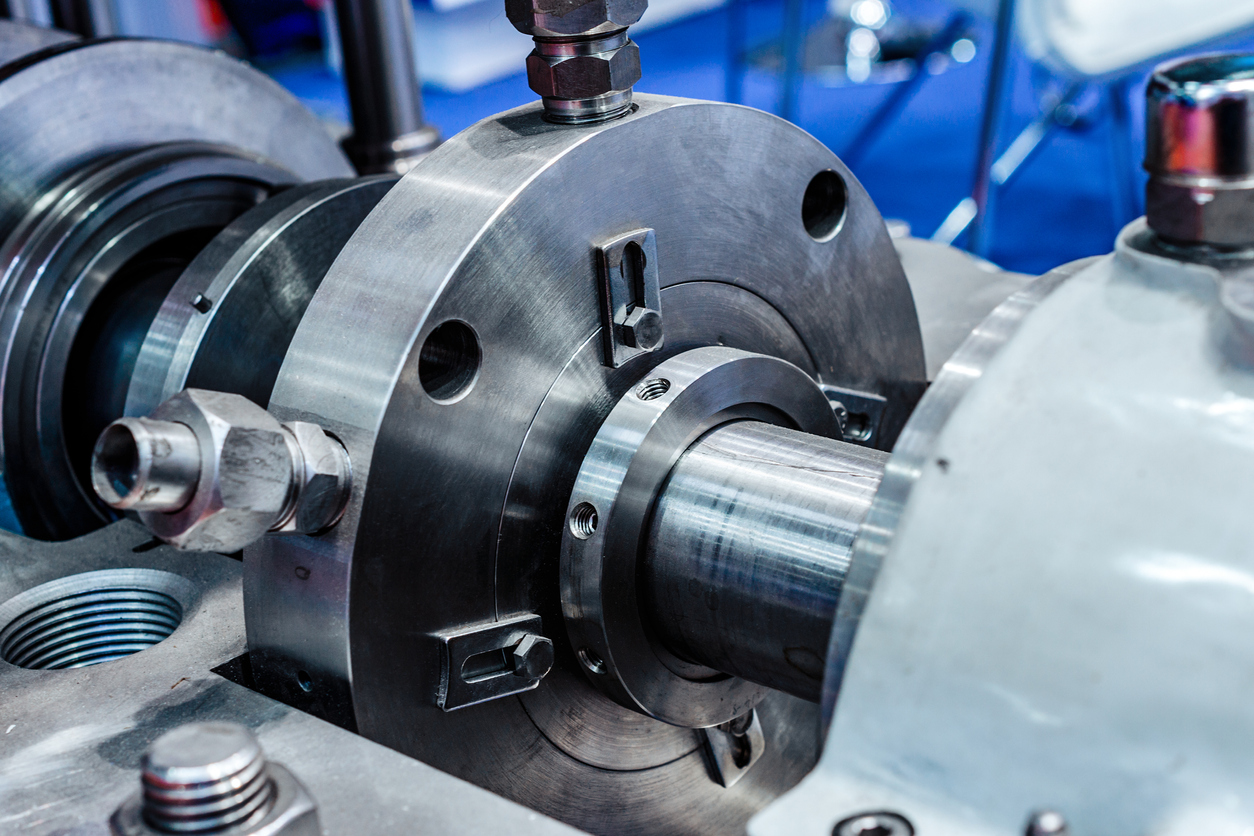
An essential aspect of the design of a gas compressor is the mechanical seal. A mechanical seal minimizes or eliminates gas leakage at the interface between a rotating shaft and the stationary housing.
Tip #1: Choose the Correct Materials
Choose the correct construction materials for the application. The materials selected must endure:
- temperature extremes,
- pressure differentials, and
- corrosive process gases of the specific gas compressor application.
The compressor sealing face materials must have proper resistance to:
- friction,
- frictional heat, and
- resistance to wear.
One of the various grades of mechanical carbon is often chosen for the sealing faces.
Tip #2: Consider the Form of Lubrication
All friction mechanical seals require some form of lubrication to cool and help seal the gases in the compressor.
- Pre-lubing the seal faces and cavities protects components during start-up.
- Waiting for the lube system to circulate lubricant after start-up can damage the seal and reduce its longevity.
Tip #3: Check the Spring System
The compressor sealing faces are pushed together by a spring system. Before assembling the seal onto the shaft:
- Confirm the spring system is freely working.
- Press gently against the primary ring assembly, taking care not to touch the sealing surface.
Tip #4: Check Your Installation: See Mechanical Seal Diagram
This tip is specific to Ro-Flo’s Single Face Mechanical Seal, especially for the sliding vane compressor.
- Refer to the mechanical seal diagram for component names.
- Slide the mating ring into place. The o-ring on the inside diameter makes this a snug fit.
- The sealing face of the mating ring is highly polished, providing the best sealing surface. It is vital that this face, where the carbon primary ring contacts it, does not get scratched, dinged, or left pitted due to corrosion from salty fingerprints.
Pro Tip: Use the Locking Sleeve to push the mating ring down the shaft. This will keep the mating ring square to the shaft, preventing it from getting cocked and stuck, and keep your hands off the sealing face.
Key Takeaways
- Selecting correct materials ensures seals can withstand temperature, pressure, and corrosive gases.
- Pre-lubing seal faces reduces wear and protects components during start-up.
- Verify the spring system operates freely to avoid damage to the sealing face.
- Follow the mechanical seal diagram closely to ensure proper alignment and prevent mishandling.
Expert guidance helps extend compressor and seal life.
Get Started With Ro-Flo Compressors
If you have more questions, do not hesitate to call the compression experts at Ro-Flo Compressors. We’d love to share our decades of knowledge and experience to ensure your success. Contact us today to get started.
Want to learn more?
The overall design and materials used to build a Ro-Flo compressor make it one of the most reliable compressors ever built. Give us a call to discuss how we can meet your needs.